
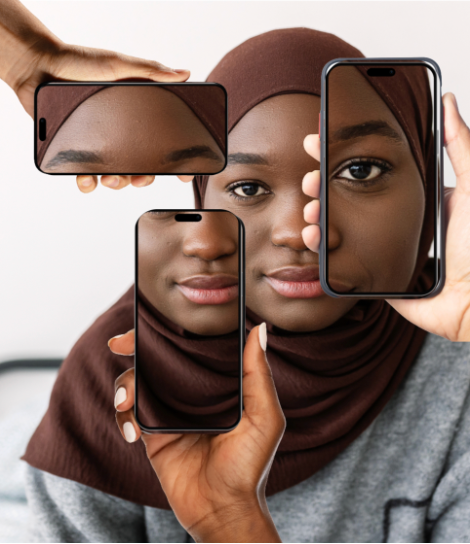
One version of me is an effortlessly aesthetic teen on Instagram, living in coffee shops and somehow posing perfectly in four-inch heels. Another lives on Snapchat as a sleep-deprived goofball who gets comfortable way too quickly. One more sits up straight for a LinkedIn headshot, ready to give a polished presentation at the drop of a hat. None of these people have ever met each other, and I hope they never do.
We all ask ourselves: “Which version of myself should I be for this person?” This age-old question is exacerbated in online spaces where your social media presence can mean life or death, both socially and professionally. The pressure to have the perfectly curated Instagram, on-trend TikTok, impressive LinkedIn, chaotic finsta and be genuine in person can feel extremely draining, but itʼs expected in the digital age. Managing these personas isnʼt just fun or optional, it can affect friendships, reputations and even career paths.
College students are pushed to network from nearly the moment they step on campus. Professors, student organizations and the career center coach us on how to enter the professional social media landscape. After all that, you still have to show up every day as a person? But who exactly is that? We twist ourselves into knots every single day, even if we don’t consciously realize it. We dress up a little more to show our friends we care. Try to put on our makeup so it doesn’t look like we’re wearing any. We avoid participating in that one class because we’re afraid we’ll look stupid. It is exhausting!
If you have taken Sociology 101, you may remember the “Looking Glass Self ” theorized by Charles Cooley (unless you spent it sleeping or online shopping), which illustrates how we build our sense of self by imagining how others perceive us. Cooley theorized this in 1902, before cameras existed in every pocket, which makes the phenomenon now almost unrecognizable in scale.
Whether you want to be hired by a prestigious company that will look you up on socials or stay out of trouble with your sorority, you must be hyperaware of your image. This is especially true online, but follows you offline when you have to ensure your face isn’t in the background of someone’s frat party selfie.
We have always been a different version of ourselves in different rooms to relate to certain people. Social media didn’t create that; it just made it more obvious, multiplied it and added tangible stakes. Cooley noticed this over a century ago. What’s new is the scale and the permanence.
Here’s the thing: there is a difference in curating your image based on the perceived taste of others and being in control of your own self-image. You can turn these expectations into something empowering. Check yourself on profanities you share on X (if anyone uses it anymore), dress a bit more modestly if your friends’ moms follow your account and never lie on your LinkedIn. Preaching radical authenticity is all well and good, but we cannot ignore the reality that the internet is forever. Do you really need to bare your soul on social media to be “real”?
Not everything private is worth sharing. Not everything curated is dishonest. Think of your digital self as a sample of your personality. A highlight portfolio, not a gritty documentary. It’s meant to be useful, expressive, maybe even strategic, but it is not your entire identity. You are allowed to have layers that don’t live in the cloud.